

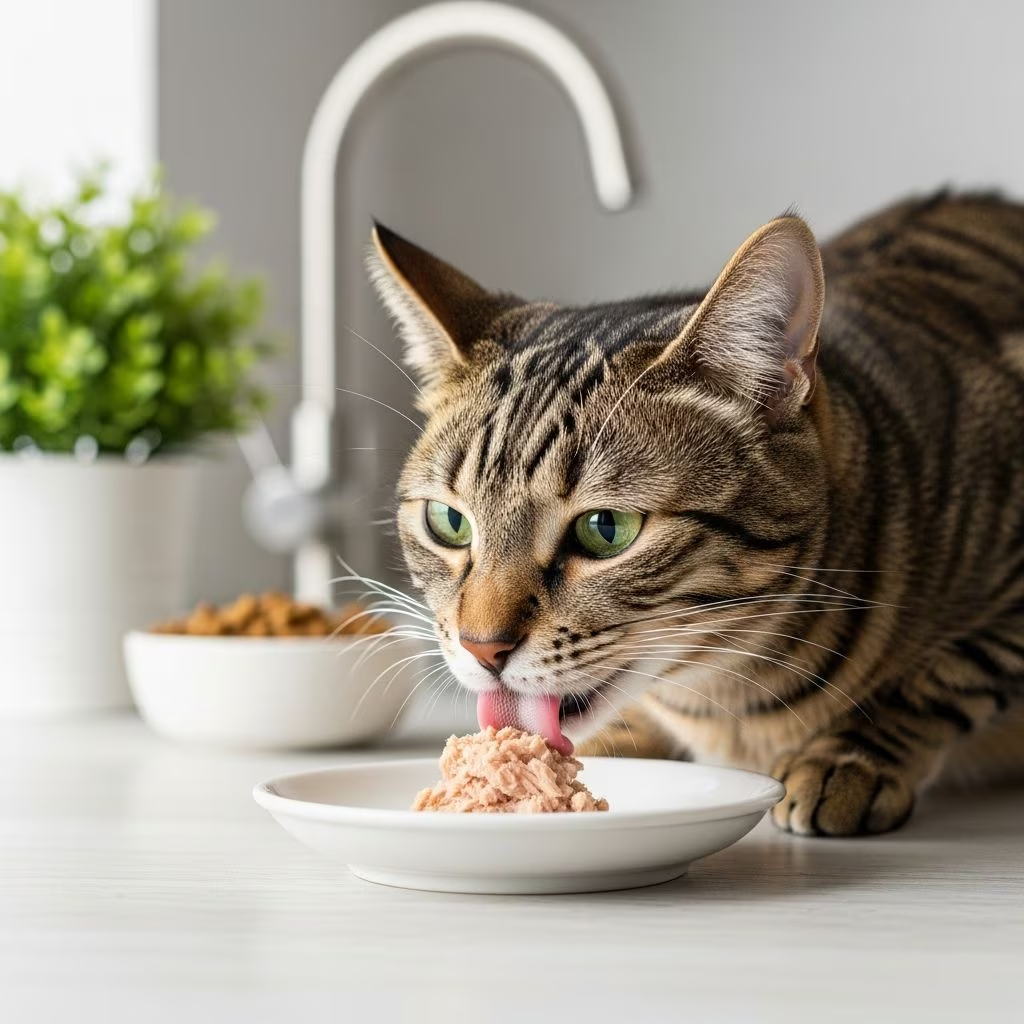
Can Cats Eat Tuna? A Complete Guide for Pet Owners
Many cat owners wonder whether they can share their favorite seafood with their feline companions. Tuna is a popular fish that’s enjoyed worldwide, and it’s natural to think about offering it to your cat as a treat. The answer is yes—cats can eat tuna, but only in moderation and not as a daily food. Understanding the proper way to serve tuna and recognizing both its benefits and risks is essential for responsible cat ownership.
Key Takeaways About Cats and Tuna
Before diving into the details, here are the most important points to remember about feeding tuna to your cat:
- Cats can eat tuna, but only in moderation and as an occasional treat
- Tuna should comprise less than 10% of your cat’s daily calorie intake
- Only offer cooked, unseasoned tuna packed in water
- Avoid raw tuna and varieties packed in oil
- Mercury content poses potential health risks, particularly with larger tuna species
- Tuna lacks essential nutrients and shouldn’t replace balanced cat food
- Overconsumption can lead to serious conditions like pansteatitis and vitamin deficiencies
The Nutritional Benefits of Tuna for Cats
High in Protein
Tuna is an excellent source of protein, which is especially important for cats since they are obligate carnivores. This means their bodies are designed to derive most of their nutrition from animal-based proteins. A cat’s diet should consist primarily of protein to maintain optimal health, support muscle development, and provide essential energy. The high protein content in tuna makes it an attractive option for cat owners looking to provide their pets with quality nutrition in small amounts.
Low in Carbohydrates
Unlike many commercial pet foods, tuna is naturally low in carbohydrates, which aligns well with a cat’s dietary requirements. Cats lack an enzyme called glucokinase, which other animals possess to process dietary carbohydrates efficiently. Because of this biological difference, excessive carbohydrates in a cat’s diet can predispose them to insulin resistance, Type 2 diabetes, and obesity. The low-carbohydrate profile of tuna makes it a suitable occasional treat for cats when served properly.
Contains Essential Fatty Acids
Tuna meat is rich in omega-3 fatty acids, including eicosapentaenoic acid (EPA) and docosahexaenoic acid (DHA). These fatty acids play crucial roles in maintaining your cat’s coat and skin health. Beyond cosmetic benefits, omega-3 fatty acids help combat inflammatory conditions, including heart disease and kidney disease. Regular consumption of these beneficial fats can contribute to your cat’s overall wellness and longevity, though tuna shouldn’t be the primary source of these nutrients in your cat’s diet.
Highly Motivating for Cats
Many cats find tuna irresistibly appealing, which can be beneficial in certain situations. Veterinarians and cat owners often use tuna as a motivator to encourage cats to take their medication or cooperate during necessary handling. The strong aroma and taste make tuna an effective tool for positive reinforcement, though this appeal should never lead to overfeeding.
The Health Risks Associated with Tuna
High Mercury Content
One of the most significant concerns with tuna consumption is its mercury content. While this risk is well-known in human nutrition, it applies equally to feline friends. Mercury is a toxic metal that can accumulate in the body over time, particularly with frequent tuna consumption. Excessive mercury exposure can affect your cat’s neurological system, and potential damage may be irreversible. Cats fed large amounts of tuna over extended periods face genuine risks of mercury poisoning, which can cause serious neurological complications.
Nutritionally Incomplete
Despite its high protein and essential fatty acid content, tuna is lacking in many vital vitamins and minerals that cats require. Notably, tuna is deficient in vitamin E, calcium, and taurine—nutrients that are absolutely essential for feline health. Because tuna is not a nutritionally balanced meal on its own, relying on it as a primary food source can lead to serious nutritional deficiencies. This is why tuna should always be treated as an occasional supplement to a complete and balanced commercial cat food.
Risk of Pansteatitis (Yellow Fat Disease)
One of the most concerning conditions associated with excessive tuna consumption is pansteatitis, commonly called yellow fat disease. This condition develops because tuna has a high ratio of unsaturated fats (particularly polyunsaturated fats) to vitamin E, which is inadequate for cats’ nutritional needs. Pansteatitis is characterized by inflammation of the fat tissue and can cause obesity, unwillingness to move, chronic pain, and fever. This painful and debilitating condition emphasizes the importance of strict moderation when feeding tuna to cats.
Potential Vitamin K Deficiency
If too much regular cat food is replaced with tuna, the risk of vitamin K deficiency increases significantly. Vitamin K is essential for proper blood clotting, and deficiency can lead to bleeding issues and other serious complications. This concern is particularly relevant for cats that consume exclusively tuna-based diets or rely solely on tuna- or salmon-based commercial cat foods without proper nutritional supplementation.
Proper Preparation: How to Safely Serve Tuna to Your Cat
Fresh Tuna Requirements
If you choose to feed your cat fresh tuna, proper preparation is absolutely critical. Fresh tuna must meet specific criteria to be safe for feline consumption:
Completely Cooked (Never Raw)
Raw tuna presents multiple serious risks to your cat’s health. First, raw fish carries the risk of bacterial infection, which can cause gastrointestinal illness. Second, raw tuna is high in an enzyme called thiaminase that breaks down thiamine, a B vitamin essential for maintaining your cat’s nervous system and processing carbohydrates. In large amounts, thiaminase exposure can lead to thiamine deficiency, which contributes to heart conditions and neurological problems in cats. Cooking tuna destroys most of the thiaminase and is significantly safer for your feline companion.
Completely Unseasoned
Any tuna you offer your cat must be completely plain and unseasoned. This means no salt, garlic, onions, or any other spices and seasonings. Many human seasonings are toxic to cats, and even salt in excessive amounts can be harmful. Plain, cooked tuna is the only appropriate option for your pet.
Canned Tuna Requirements
Canned tuna offers convenience but requires careful selection:
Packed in Water, Not Oil
Always choose canned tuna packed in water rather than oil. Some canned tuna products are packed with oil and flavorings designed to appeal to human palates, but these additives aren’t suitable for cats. Oil can contribute to obesity and digestive upset, while flavorings and seasonings may contain ingredients harmful to feline health.
No Added Seasonings or Flavorings
Just like fresh tuna, canned varieties must be completely plain. Read labels carefully to ensure there are no added salts, spices, or other seasonings that could harm your cat.
Choosing the Right Type of Tuna
When selecting tuna for your cat, opt for skipjack and canned light tuna varieties, which have significantly lower mercury levels than larger species. Albacore tuna and yellowfin tuna are larger fish with mercury levels that can be almost three times higher than chunk-light tuna. By choosing the right variety, you can reduce your cat’s mercury exposure while still providing this occasional treat.
Recommended Serving Guidelines
The most important rule for feeding tuna to your cat is moderation. Veterinary nutritionists recommend that tuna should comprise fewer than 10 percent of your cat’s daily calorie intake. This guideline ensures your cat receives the nutritional benefits of tuna without the associated risks of overconsumption. Tuna should be offered only as an occasional treat, not as a regular part of your cat’s weekly diet.
For most cats, this means offering a small portion of plain tuna just a few times per month, rather than weekly or more frequently. Always serve tuna in small amounts, and ensure your cat continues to receive their primary nutrition from a complete and balanced commercial cat food formulated specifically for feline dietary needs.
Common Questions About Cats and Tuna
Q: Can cats eat raw tuna?
A: No, you should not give your cat raw tuna. Aside from the risk of bacterial infection, raw fish can increase the risk of thiamine deficiency since it’s higher in thiaminase, an enzyme that breaks down this essential B vitamin. Always cook tuna thoroughly before offering it to your cat.
Q: Can cats eat tuna steaks?
A: Yes, cats can have a small amount of tuna steak as long as it’s thoroughly cooked and completely unseasoned. However, you shouldn’t give them an entire tuna steak. When feeding tuna to your cat, always ensure it comprises fewer than 10 percent of their daily calorie intake.
Q: How often can I safely give my cat tuna?
A: Tuna should be offered only as an occasional treat, typically just a few times per month. This frequency allows you to enjoy using tuna as a motivator or special treat without exposing your cat to excessive mercury or causing nutritional imbalances.
Q: Is tuna-based commercial cat food safe?
A: Tuna made specifically for cats is supplemented with additional ingredients to make it nutritionally balanced and complete. Unlike human-grade tuna, commercial cat foods with tuna are formulated to provide all necessary nutrients and can be fed without the same concerns as fresh or canned tuna intended for human consumption. However, always check labels to ensure the product is complete and balanced.
Q: What are signs of mercury poisoning in cats?
A: Symptoms of mercury poisoning include dizziness, loss of coordination and balance, tremors, and neurological problems. If you suspect your cat has consumed excessive amounts of tuna or shows these symptoms, consult your veterinarian immediately for proper evaluation and care.
Q: Can tuna help with picky eating in cats?
A: While tuna’s strong aroma and taste appeal to many cats and can be useful for getting cats to take medication or accept handling, it shouldn’t be used as a solution for picky eating. Instead, consult your veterinarian about proper nutrition and feeding strategies for your cat’s specific needs.
Making the Best Choices for Your Cat’s Health
Tuna can be a safe and enjoyable occasional treat for cats when served properly and in appropriate amounts. The key is understanding both its nutritional benefits and potential health risks. By following the guidelines outlined—serving only cooked, unseasoned tuna in water, limiting portions to less than 10% of daily calories, and offering it just occasionally—you can safely incorporate tuna into your cat’s diet without compromising their health.
Always prioritize a complete and balanced commercial cat food as your cat’s primary nutrition source. Use tuna as an occasional supplement or motivator rather than a dietary staple. When in doubt about your specific cat’s dietary needs, especially if they have existing health conditions, consult with your veterinarian who can provide personalized recommendations based on your cat’s individual requirements.
References
- Can Cats Eat Tuna? Is Tuna Okay for Cats? — Chewy. 2024-11-28. https://www.chewy.com/education/cat/food-and-nutrition/can-cats-eat-tuna
- Can Cats Eat Tuna? — PetMD. 2024. https://www.petmd.com/cat/nutrition/can-cats-eat-tuna
- Can Cats Eat Tuna? — Hill’s Pet Nutrition. 2024. https://www.hillspet.com/cat-care/nutrition-feeding/can-cats-eat-tuna
- Foods Your Cat Should Never Eat — WebMD. 2024. https://www.webmd.com/pets/cats/ss/slideshow-foods-your-cat-should-never-eat
- Canned Tuna for Cats: A Safe and Nutritious Treat or Potential Hazard — North Jersey Animal Hospital. 2024. https://northjerseyanimalhospital.com/blog/can-cats-eat-tuna/
- Is Tuna Bad for Cats? The Truth About Tuna Cat Food — Weruva. 2024. https://www.weruva.com/blogs/happy-healthy-hub/is-tuna-bad-for-cats-the-truth-about-tuna-cat-food



